

This Has Happened Before
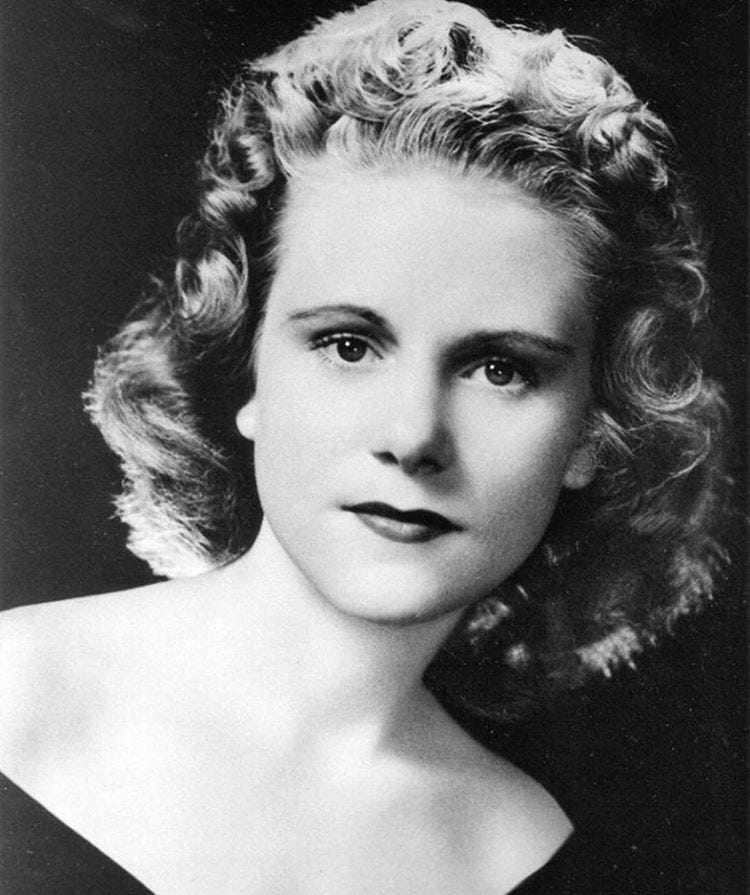
Viola Liuzzo was 39 years old when she was murdered. It was March 25, 1965. The civil rights volunteer from Detroit was driving in rural Alabama when she was shot twice in the head through the driver’s side window of her car. Her 1963 Oldsmobile veered into a ditch and crashed up against a fence.
Mrs. Liuzzo was a mother of five. She had been ferrying Black people the 54 miles to Selma from Montgomery, where they had concluded the third and final Selma-to-Montgomery March for voting rights.
The FBI investigated the murder, and ultimately won convictions and ten-year jail sentences for three KKK members who had been in the car that pursued Mrs. Liuzzo; they were judged to have conspired to violate her civil rights. The verdicts had been seen as a huge triumph— the jurors were all White and all male. It was a result many had thought unattainable in the poisonously racist, staunchly self-protective deep south.
In the early days after the murder, all sorts of rumors began circulating about Mrs. Liuzzo. They were wildly defamatory. Years later, the source of the rumors would be revealed: They’d been spread by J. Edgar Hoover himself, the head of the FBI.
Hoover had his reasons, and found a convenient patsy around whom he could manufacture evidence. In the car with Mrs. Liuzzo when she was shot was Leroy Moton, a tall, dark-skinned Black teenager, also a civil rights activist. Mr. Moton and Mrs. Liuzzo had been working together that day; it was likely that the sight of him in a car with a white woman had impelled the murder.
The three killers were acting on the general orders of their superiors to make some trouble for the “outside agitators.” They did. When the men walked up to the wrecked car to assess the damage, Mr. Moton — only slightly injured — lay motionless in Mrs. Liuzzo’s blood and brain spatter; the three killers left him for dead.
The rumors? Hoover had leaked false information to selected sympathetic sources in the media, and politics, and to the rank and file of the FBI. He had said Mrs. Liuzzo had had “puncture marks in her arm indicating recent use of a hypodermic needle; she was sitting very, very close to that Negro in the car; it has the appearance of a necking party.” Hoover also said the victim was emotionally unstable and that she had abandoned her children for what amounted to a sex party with Black men.
None of it was true. The autopsy showed no drugs in Viola Liuzzi’s body and no evidence she had recently had sexual relations; she had no history of emotional instability. She was a good, devoted mother. The only actual truth was that Hoover had a secret of his own to conceal — a fourth man in that murder car had been an informant for the FBI — and Hoover was frantically trying to muddy the water to direct attention away from his department’s complicity.
Viola Liuzzo, in fact, had been motivated only by civic zeal. She’d been so horrified watching the events of “Bloody Sunday,” on March 7 — the one that got John Lewis’s skull broken on the Edmund Pettis Bridge — that she decided to drive alone to Selma for the next march. “This is everybody’s fight,” she told her husband as she packed a bag and left the house. Her husband stayed home to watch the kids.
Where did Viola’s activism come from? Much of it arose from her friendship with Sarah Evans, an African-American woman whom Liuzzo had once hired for help with child care, and then promoted to full time nanny and housekeeper. Both women had grown up in the deep south, and understood the depth of the racial fissures there. They loved each other; they honed their political activism together.
When Viola Liuzzo’s husband spiraled into alcoholism after his wife’s death — he fell into a deep depression over the lingering attacks on her character — Sarah Evans became full-time caregiver to her friend’s five children.
—

Above is the final photograph taken of Renee Good, looking into the eyes of the ICE agent who would take her life seconds later by firing two shots into the driver’s side window of her car. The still photo from January 7 is taken from the officer’s cell phone. Renee is smiling. Her last words appear to have been: “I am not mad at you.” Instantly afterwards, she is dead. Then a male voice says, “Fucking bitch…”.
High government officials are already lying about her. After viewing the same video clip all of American saw, the president of the United States said:
“The woman screaming was obviously a paid, professional agitator and the woman driving the car was disorderly, obstructing and resisting, who then violently, viciously and willfully ran over the ICE officer, who seems to have shot her in self defense. Based on the clip, it is hard to believe he is still alive, but is now recovering in the hospital.”
Every single statement above was a boldfaced lie.
Vice President JD Vance called Good a “deranged leftist.”
Trump’s spokespeople in the Department of Homeland Security said Ms. Good had engaged in “an act of domestic terrorism,” and had “weaponized” her vehicle, a Honda Pilot traveling at approximately one mile an hour.
The lies are probably going to get worse.
Renee Good was a mother of three. She was an activist, helping protect the civil rights of people from a different walk of life than her own, because it was the right thing to do. She was on the scene of an ICE immigration enforcement action, as a volunteer observer.
Let’s be her volunteer observers, now. Let’s not let them get away with this shit. Again.
—
Please consider upgrading your subscription to “paid.” We are in this together.
This parallel is devastating. It needs to be publicized everywhere.
Fuck yeah he needed to use every profane word in all the dictionaries in all the world.